
What You Actually Do
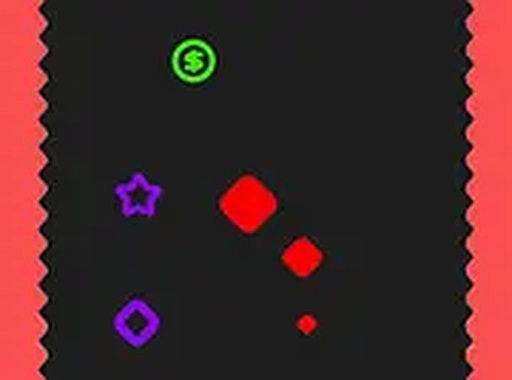
ZigZag Path keeps its rules minimal. A moving icon travels diagonally across a colorful path, and your only input is a tap or a mouse click. Each tap changes the icon's direction. The challenge is not deciding what to press but when to press it, because obstacles sit along the path and a mistimed tap sends the icon into one. Coins appear along the route, and collecting them adds to your score. [IMG_1]
Why Timing Beats Speed
The game is built around precision rather than rapid input. Because the icon moves at a steady diagonal angle, the useful skill is reading how close the next obstacle is before committing to a direction change. Players who tap early tend to drift into blocked sections; players who wait too long run out of room. That single tension between hesitation and reflex is what gives short runs their weight.
Coins, Themes, and Progression
Coins serve two purposes. They raise your score during a run, and they accumulate toward unlocking new visual themes. That gives the game a light long-term goal beyond a single attempt, though the input does not specify how many themes exist or what they cost. The safer approach is to collect coins that sit naturally on your route and skip risky detours, since a crash ends the run and wipes out the progress you were building. [IMG_2]
Where It Runs and Who It Suits
ZigZag Path runs directly in a browser on Android, iOS, and desktop with no download and no registration. Sessions are short by design, which makes it a reasonable fit for a spare minute rather than a long sitting. Difficulty rises over time, so the game rewards patience and repeat attempts more than raw reaction speed. Its family-friendly presentation and one-touch control also make it easy to hand to a younger player.






Comments
0 comments