
Match Structure and Objective
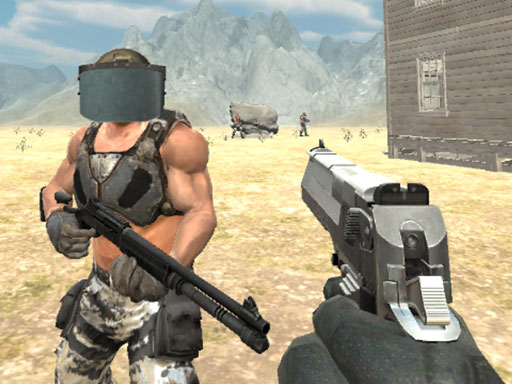
Tactical Survival 2 places players on a randomly generated battleground at the start of every match. The layout changes each round, so familiar routes and hiding spots cannot be memorized. The goal is straightforward: gather items scattered across the map, fight or avoid other players, and be the last one standing. A shrinking safe zone forces everyone closer together as time passes, turning early exploration into late-game pressure.
Looting, Combat, and Movement
After choosing a landing spot, players search buildings and open areas for supplies. On-screen controls handle movement, aiming, and engagements. Defeating an opponent lets you take their gear, which can quickly shift the balance of a round. Cover, flanking, and ambushes are viable because the map offers both natural terrain and structures. Quick reflexes matter, but so does knowing when to fight and when to reposition.
Solo and Team Play
Matches support solo runs and team play with friends. In team mode, coordination changes the pace: shared information about enemy positions, split looting, and planned pushes can outweigh individual skill. The closing zone adds a shared deadline, so teams must balance aggression with survival. Sessions are short by design, making it easy to play a few rounds without a long commitment.
Adapting to Random Maps
Because each battleground is procedurally generated, players cannot rely on a single strategy. A building cluster that worked last round might be exposed this time. Reading the terrain quickly, choosing when to loot versus when to move, and anticipating where opponents will converge are the skills that carry between matches. The result is a game that rewards planning as much as aim.



Comments
0 comments