
What You Actually Do
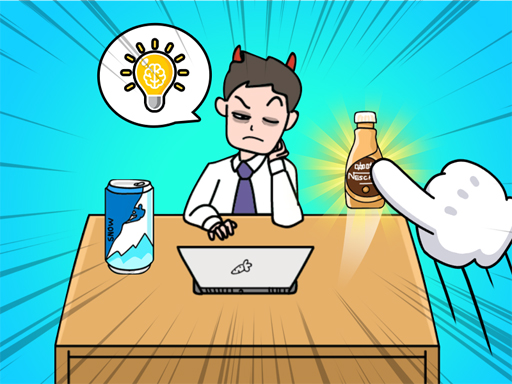
Each puzzle in Puzzle Choices Brain Teaser presents a short scenario with a set of possible answers. You read the situation, weigh the options, and tap or click the one you believe is correct. There is no timer, so you can sit with a puzzle for as long as you need. The game is built around the idea that the obvious answer is often wrong, and the real solution requires looking at the problem from an unusual angle.
Why the Puzzles Get Tricky
The game opens with simple scenarios where the right choice is fairly clear. As you move forward, the puzzles become more layered. Later scenarios ask you to combine logical reasoning with imagination, because a strictly rational approach may not surface the intended answer. This shift is deliberate: the game rewards players who are willing to reconsider their first instinct and explore less obvious possibilities. [IMG_1]
Designed for Family Play
There is no inappropriate material, no time pressure, and no complex controls. The interface stays out of the way so the focus remains on reading and deciding. That combination makes the game accessible to children and adults alike, whether you are playing alone or working through a puzzle together. The difficulty curve is gentle enough that younger players can start comfortably, while later puzzles still give adults something to think about.
Approaching a Stuck Puzzle
When a scenario does not make sense, re-reading the wording often helps more than staring at the answer choices. The game's solutions tend to hinge on a detail or a double meaning that is easy to skim past. Trying to justify each option, rather than only looking for the one that feels right, is a practical way to narrow things down without guessing.




Comments
0 comments