

Wobbly Physics as a Core Mechanic
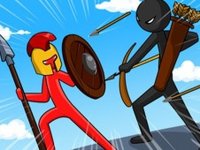
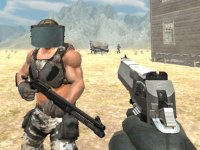
Stagger Showdown Arcade Brawl builds its combat around a dummy physics engine that makes every character unsteady. Moving causes swaying and stumbling, so lining up a shot becomes a timing problem rather than a precision test. You cannot simply point and fire; you have to wait for your character's body to settle or predict where the wobble will carry the shot. This single design choice shapes every round, because the same instability that ruins your aim also affects your opponent.
Single-Player and Local Multiplayer
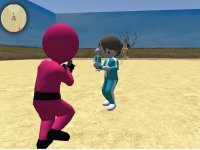
The game offers two distinct ways to play. In single-player, you face an AI opponent that adapts to your style over the course of a match. In local multiplayer, two players share the same device, using the same physics rules. Both modes demand careful timing, but multiplayer adds a layer of reading your opponent's movements. [IMG_1] The AI reacts to patterns, while a human opponent can surprise you with unpredictable timing, so the two modes feel different despite using identical mechanics.
Controls and Device Support
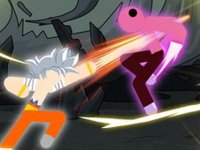
Desktop players use keyboard keys to fire, with one key assigned to player one and another to player two. Mobile users tap on-screen buttons. The control scheme is deliberately minimal, keeping the focus on timing rather than complex inputs. Touch support works on tablets and phones, so local multiplayer is possible on a single mobile device. [IMG_2] Because the controls are simple, new players can start quickly, but mastering the wobble takes practice.
Short Rounds and Quick Sessions
Rounds are designed to be short, often lasting under a minute. A single well-timed shot can end the round instantly, which keeps tension high and makes every moment matter. This structure suits quick play sessions between other activities, and you can chain multiple matches without long waits. The fast pace also means mistakes are punished immediately, so players learn to stay calm under pressure.


Comments
0 comments