
The Core Color-Matching Loop
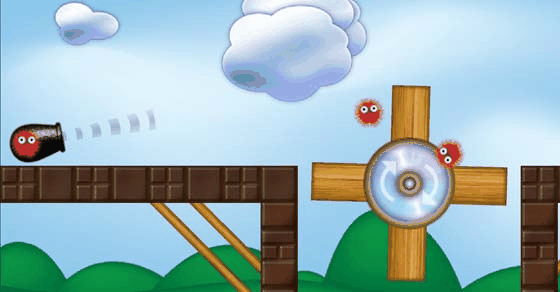
Every puzzle in Chromatic Puzzle Challenge revolves around a single action: launching a projectile at a container to change its color. Each projectile carries a specific hue, and a successful hit shifts the container's shade. Your goal is to make the container's color match the character it holds. The challenge comes from sequencing. Because one color change can affect how later shots behave, you need to think several steps ahead rather than firing at random.
How Difficulty Builds
Early puzzles keep things simple with one container and a small palette of colors. As you progress, you face multiple containers, each with its own target color, and a wider range of color-altering projectiles. Some containers must change color more than once to reach the exact match. The design avoids arbitrary complexity, so each new puzzle feels like a natural extension of the last rather than a sudden spike.
Visual Clarity and Relaxed Pacing
The game uses bright, vivid colors that are easy to tell apart, which matters when color recognition is the whole point. Characters inside containers are drawn in a cute, non-threatening style. The screen stays clean and uncluttered, with every element serving a clear purpose. There are no timers and no scoring penalties for mistakes, so you can observe a puzzle and plan your moves without pressure. Controls are simple point-and-click or tap, making the game accessible to players of all ages.
Progression and Replay
Completing a puzzle unlocks the next one. While the core mechanic stays the same, the arrangements grow more complex, giving a steady sense of accomplishment. Some puzzles may have multiple solutions, which invites experimentation. For players who enjoy refining their technique, there is satisfaction in finding the most efficient sequence of moves. The lack of time pressure means you can return to a tricky puzzle later without frustration.








Comments
0 comments