
Puzzle Path Structure
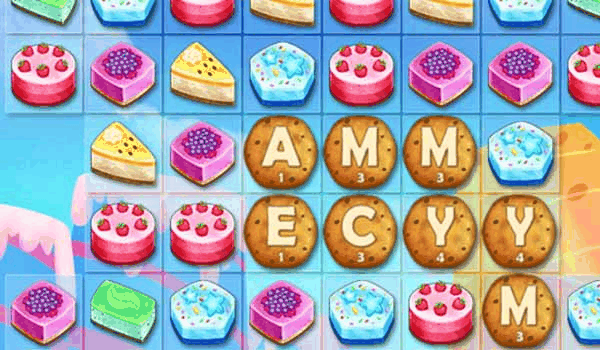
Letter Path Word Challenge arranges its puzzles along a path of colorful steppingstones. Every stone carries one self-contained word task, so the screen never shows more than a single challenge at a time. That one-puzzle-per-stone layout keeps attention fixed and makes progress easy to read: each correct answer moves you further along the path. The structure also gives the game a clear beginning, middle, and end, which suits short sessions as well as longer ones.
Types of Word Tasks
The tasks themselves vary. Some stones ask you to complete a spelling, others require identifying missing letters, and some present a short word riddle. Because the puzzle type changes from stone to stone, the path avoids the repetition that can make word games feel like a single drill. Later stones lean more on pattern recognition and deduction than on simple recall, so the challenge grows without a sudden jump. Beginners can build confidence on the early stones, while experienced word-game players still find enough depth to stay engaged.
Controls and Feedback
You interact using a mouse or touchscreen, selecting letters or typing answers directly. The interface responds to each correct or incorrect entry with clear feedback, so you always know whether to adjust your answer or move on. There are no complex menus to learn and no instructions to read before starting. That simplicity makes the game approachable for young children and older adults alike, and it keeps the focus on solving rather than navigating.
Visual Style and Learning
The presentation uses bright, cheerful colors and a clean layout. Steppingstones have a candy-like look, which gives the path a lighthearted tone that fits the educational intent. While the goal is simply to reach the end of the path, each puzzle reinforces spelling, vocabulary, and problem-solving. The learning is folded into the play rather than presented as a separate lesson, and the relaxed pace lets players think without time pressure.





Comments
0 comments