
What You Actually Do
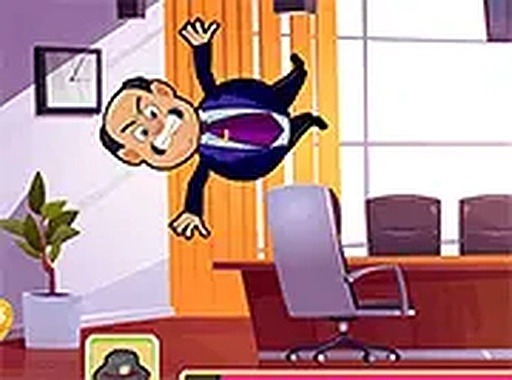
Each round in Fun Boss Toss Arcade Game centers on a single cartoon boss character. You pick an object from your available set and throw it at the boss using a mouse click or a touchscreen tap. A successful hit adds money to your total. Miss, and you simply try again. There is no penalty, timer pressure, or fail state described. The loop is deliberately short: aim, throw, collect, repeat. That simplicity is the point. The game is built for quick sessions where the satisfaction comes from the throw itself, not from mastering a complex combo system.
Progression Through Unlockable Objects
Currency earned from hits feeds directly into a purchase system. New throwing items become available as your balance grows, and each unlock changes the visual and comedic texture of the next throw. Because the input describes a variety of silly objects rather than a fixed arsenal, the unlock system is the main source of forward momentum. You are not grinding for power or stat boosts. You are collecting novelty. That distinction matters for how you pace a session: the goal is to see what the next item looks like in action, not to optimize damage output.
Controls and Session Length
Mouse and touchscreen are the only inputs mentioned, which keeps the barrier to entry near zero. No keyboard combinations, no timing windows, no multi-step menus. The game supports both short breaks and longer play sessions because nothing in the core loop demands sustained attention. You can stop after three throws or continue until you have unlocked every item. The absence of difficulty spikes means the experience stays consistent whether you play for two minutes or twenty.
Visual Style and Tone
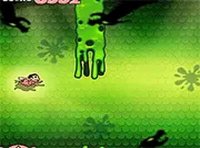
Cartoon graphics define the entire presentation. The boss is drawn rather than rendered realistically, and the throwing objects lean toward the absurd rather than the aggressive. This visual choice reinforces the game's stated purpose as a harmless way to release steam. The humor is broad and physical, suitable for all ages. Nothing in the described content suggests violence beyond slapstick impact, which is why the family tag fits the actual material rather than being a marketing label.
Comments
0 comments