
Singing Duel Basics
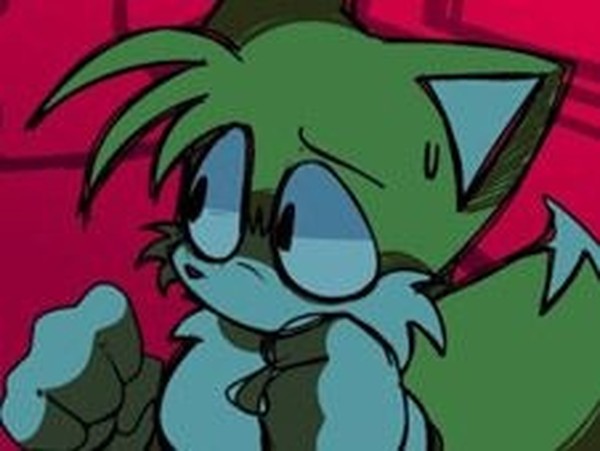
Tails Musical Challenge frames rhythm play as a lighthearted musical contest between two characters. You choose one side of that duet and support their singing by reacting to arrow symbols as they appear. The game does not ask you to manage inventories, explore stages, or learn complex combos. Instead, it narrows the experience to one repeated action: read the symbol, match it to your keyboard, and press at the right moment. That focus makes the premise easy to understand even before the first note lands.
Reading Arrows and Keeping Energy
The energy bar is the core feedback system. A correct press on the matching arrow key counts as a hit and keeps the bar from draining. Missed notes, wrong keys, and presses that arrive too early or too late all reduce energy. If the bar empties, the round ends in a loss. This turns every symbol into a small decision: commit now, wait a fraction longer, or accept that the note is already gone. Because the penalty applies to timing errors rather than only missed symbols, sloppy mashing is not a reliable strategy. The game rewards players who watch the approach of each arrow and press with intent.
Song Structure and Session Length
Each attempt is built around a song that runs from beginning to end. The goal is to stay in the round until the track finishes, which means consistency matters as much as individual accuracy. Catchy tunes give the rhythm a clear pulse, so players can feel the beat instead of guessing at random intervals. Short sessions suit the design: you can attempt a song, see where your timing broke down, and try again without a long setup. That replay loop is where most of the improvement happens.
Who This Suits
The simple arrow-key controls and absence of violent or inappropriate content make Tails Musical Challenge approachable for younger players, families, and newcomers to rhythm games. Experienced rhythm players will find the input scheme familiar, while the energy bar adds a visible consequence for mistimed presses. The friendly competition between two characters keeps the tone light. Players who prefer steady, readable timing challenges over dense note charts will get the most from it.


Comments
0 comments