
Merging Numbers on a Grid
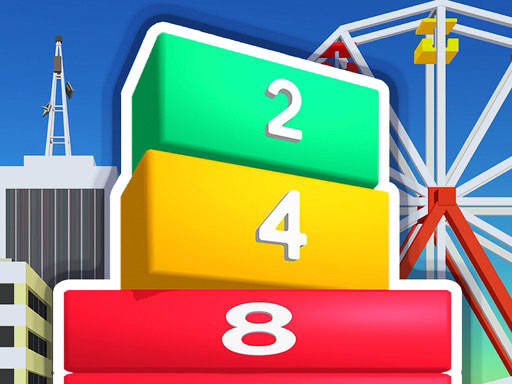
Mergis Number Merge Puzzle places a grid of numbered tiles in front of you. Your task is to find two identical numbers sitting directly next to each other—horizontally or vertically—and combine them into a single tile showing the next number in sequence. For example, two 2s become a 4. Each successful merge clears space and pushes your highest value upward. The game ends when no adjacent identical numbers remain, so every decision affects how long you can keep playing.
No Timers, No Pressure
Nothing in Mergis rushes you. There are no countdown clocks, move limits, or sudden penalties. You can study the board, plan several merges ahead, and tap when ready. That pacing makes the game approachable for young children and anyone who wants a low-stress mental workout. It also means sessions can be as short as a single merge or as long as you like, depending on how the grid fills up.
Keeping the Board Workable
After each merge, new numbers appear on the board, gradually increasing clutter. The central challenge is spatial: if you merge tiles randomly, you may isolate matching pairs and run out of legal moves sooner. Players who concentrate merges in one area tend to create larger tiles that can later combine with others. Scanning for adjacent pairs and anticipating where new numbers will land are the main skills the game exercises.
Who It Suits
The clean interface and simple rules make Mergis easy to start without a tutorial. It targets children and casual players who enjoy logic puzzles, but adults looking for a quiet concentration exercise can also find value. The family-friendly design avoids mature themes, and the absence of time pressure means mistakes are rarely punishing—just a slower path to a higher score.








Comments
0 comments