
The Core Placement Loop
Every turn in Number Grid Shape Fit presents the same fundamental choice: where does this particular block shape fit best? The board is a 9x9 grid, and the available pieces come in different shapes. Players position each piece to complete horizontal rows, vertical columns, or the nine 3x3 sub-squares. When any of those units fills completely, it vanishes and awards points, opening space that did not exist a moment before.
Planning Beyond the Current Move
The game's difficulty comes from sequencing. A placement that clears a line immediately may leave a gap that the next few shapes cannot use. Conversely, holding back on a clear to set up a larger one risks filling the board. Because upcoming pieces are visible, players can plan several moves ahead rather than reacting one block at a time. Clearing lines regularly keeps the board open and prevents an early end.
Clarity as a Design Choice
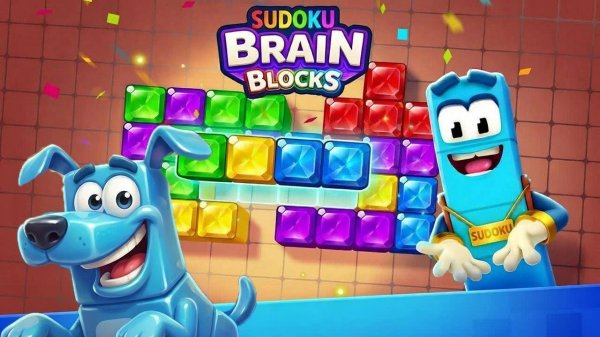
Bright, friendly colors distinguish each block shape at a glance. The grid lines are clearly marked, and the interface stays uncluttered, so attention remains on the logical challenge. That visual clarity matters in a puzzle where a single misread cell can change the outcome.
Who This Puzzle Suits
No fast reflexes or prior knowledge are required. New players grasp the rules quickly, while experienced players find depth in the strategic placement challenges. Regular play can support spatial awareness, pattern recognition, and logical planning in a low-pressure format suitable for a quick break or a longer session.










Comments
0 comments