
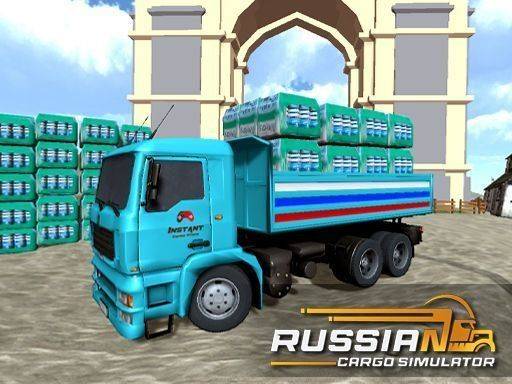
Contract Selection and Route Planning
Every delivery in Trans-Siberian Hauler begins with a job listing that specifies a pickup point, a destination, and a cargo type. The core decision is weighing distance against potential earnings and road conditions. After accepting a contract, players choose a vehicle from their personal fleet and plot a course on a map that offers multiple paths. Some routes are shorter but more demanding, while others are longer and safer. This planning phase adds a strategic layer to each trip, rewarding players who prepare before setting out. [IMG_1]Driving Physics and Environmental Challenges
The driving model emphasizes weight distribution and momentum. Heavy loads change acceleration and braking distances, so smooth inputs on turns and descents matter more than raw speed. Road surfaces range from smooth asphalt to gravel and packed dirt, each affecting traction. Rain, snow, and fog reduce visibility and grip. Together, these elements create a driving experience that rewards patience and precision over aggressive driving. [IMG_2]Cargo Types and Condition Management
Freight includes construction materials, packaged food supplies, and industrial equipment. Fragile goods require gentler driving, while heavy machinery demands careful weight management. A cargo condition indicator updates in real time, giving feedback on driving habits. Keeping the load intact is essential for full payment, so maintaining a steady pace and avoiding sudden maneuvers becomes a central challenge. [IMG_3]Economic Progression and Fleet Upgrades
Completing deliveries earns currency that can be reinvested into the operation. Upgrades include engine enhancements, better tires for off-road sections, and cosmetic customizations for the truck cab. Operating costs such as fuel and maintenance are tracked, so players must balance spending on upgrades with saving for future expenses. As reputation grows, more lucrative and complex contracts become available, gradually expanding the scope of routes.Landscape Variety and Atmosphere
The setting spans industrial zones, small towns, and open wilderness. Forests, rolling hills, and mountain passes create a changing backdrop that keeps long hauls visually interesting. Day and night cycles affect driving conditions, with headlights becoming necessary after dark. The environment is designed to feel expansive, reinforcing the sense of covering real distance with each delivery.Editorial Notes
Compatibility
✅ Works on PC & Mobile | Recommended: Chrome / Safari / Edge



Comments
0 comments