
Connecting Identical Tiles
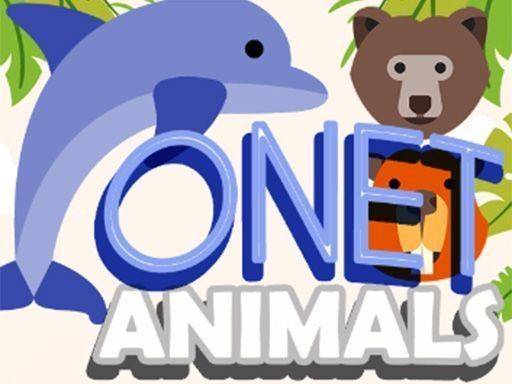
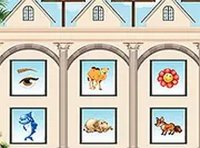
Picture Pair Animal Match places a grid of tiles on screen, each showing a different animal illustration. Your goal is to find two tiles with the same picture and link them with a path. That path can bend up to two times, forming a line with three straight segments, and it cannot pass through any other tile. When a valid connection is made, both tiles disappear. Clearing every pair empties the board and completes the level. The rule set is small, but it forces you to think about space and order.
How the Board Changes
Each level presents a fresh tile arrangement, so you cannot rely on memorized solutions. Early boards tend to be smaller and more open, while later ones pack tiles more tightly and place matching pairs farther apart. Difficulty comes from the layout itself, not from timers, move limits, or score penalties. That means you can study the board for as long as you like and try different match orders without being punished for a wrong guess.
Planning Your Matches
Because removing a tile changes which paths are open, every match affects the rest of the board. Edge tiles are often simpler to connect since they have fewer neighboring tiles blocking the way. Central tiles can be more valuable to leave in place until later, because they may be the only obstacle preventing a connection elsewhere. Scanning the whole board before tapping helps you spot efficient sequences, and over time you start to recognize patterns that lead to faster clears.
Visual Style and Accessibility
The artwork uses bright, friendly drawings of domestic and wild animals. Each tile is clear enough that even young children can tell the pictures apart. The interface keeps the board as the main focus, with soft background colors and gentle animations that avoid visual clutter. No reading is required to play, and there are no ads or purchase prompts interrupting a session. The game runs on phones and tablets with touch controls that respond to taps and drags.





Comments
0 comments