
Two Halves of One Loop
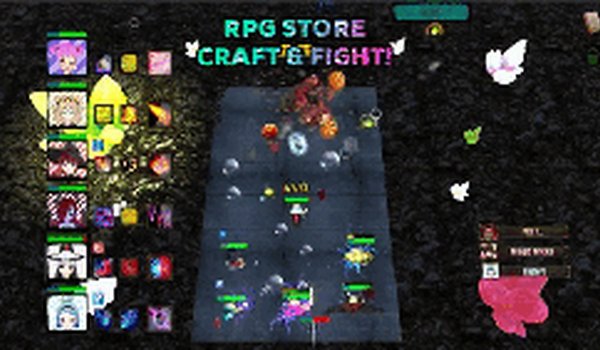
Fantasy Shopkeeper Quest splits its time between dungeon exploration and storefront management. In dungeons, turn-based encounters yield raw materials that feed every other system. Back at the shop, players handle inventory, set prices, and keep customers satisfied. The push and pull between these roles creates a steady rhythm: venture out for rare components or stay behind to restock shelves. Neither half works without the other, so every trip and every pricing tweak carries weight.
Crafting as a Sales Engine
Gathered materials become finished goods through a crafting system. Potions restore energy, armor pieces boost defense, and weapons improve combat effectiveness. Experimenting with material combinations can reveal new recipes and higher-quality items. Because crafted goods are what customers actually buy, crafting decisions double as business decisions. The system rewards planning ahead: think about what will sell best before committing rare materials to a recipe.
Pricing, Customers, and the Simulated Economy
Setting the right price is a balancing act. Charge too much and customers walk away; charge too little and profits suffer. The game simulates an economy where player choices directly affect store performance. Watching which items draw interest and adjusting prices accordingly becomes a small strategy game of its own. Over time, players learn their clientele's preferences and can tailor inventory to match demand. This economic layer adds depth without overwhelming newcomers.
Upgrades and Visible Growth
Gold from sales gets reinvested into both the shop and the adventurer's equipment. Upgrading tools increases crafting speed and quality, while expanding the shop floor allows more items to be displayed. New recipes unlock as players progress, opening access to more valuable goods. Each upgrade has a direct effect on income or material gathering, so the earn-upgrade-expand cycle feels tangible rather than abstract.
Presentation and Accessibility
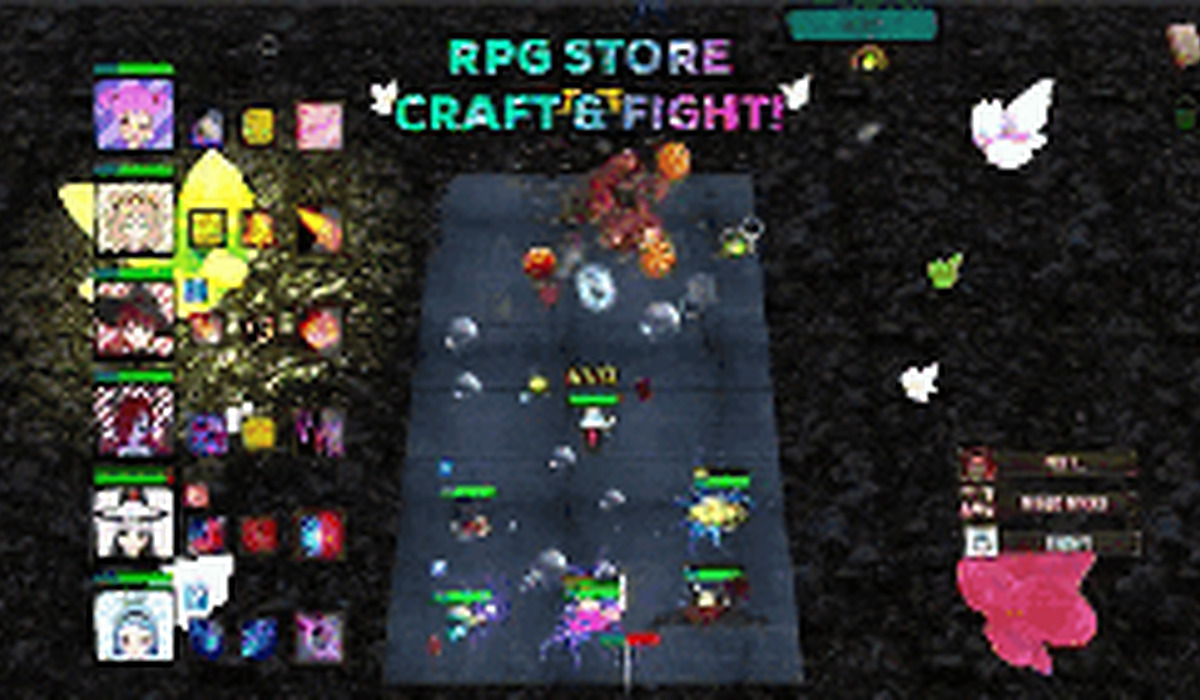
Bright, colorful graphics keep the world inviting rather than intimidating. Characters and environments are designed to feel approachable, and controls are straightforward enough for younger players or genre newcomers. Beneath the simple interface, the systems offer enough complexity for players who enjoy optimization and planning. The cheerful tone holds even during tougher stretches.





Comments
0 comments