
Building Your Farm from the Ground Up
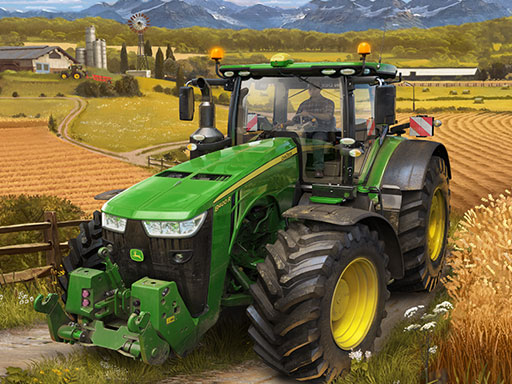
Family Farm Simulator starts you on a small North American plot with a straightforward goal: expand it into a working farm. You plant crops such as cotton and oats, water and tend them as they grow, then harvest when ready. Livestock including pigs, cows, and sheep require feeding and care to stay productive. Every harvest and animal product can be sold at market, and earnings go toward new vehicles, tools, and land. The loop is calm but structured—each task feeds the next, and progress comes from managing time and resources rather than rushing.
Machinery and Tools That Matter
The game includes over 100 vehicles and tools recreated from leading brands such as John Deere, Case IH, and New Holland. These aren't cosmetic; they determine how efficiently you can plow, plant, and harvest. Choosing the right equipment for a job affects how quickly you can work a field and how much you can handle at once. As your farm grows, upgrading machinery becomes a practical decision tied to your budget and workload, not just a collection goal.
Horses, Exploration, and the Map
Horse riding offers a different pace. You can ride across the farm and surrounding areas to explore the map, which adds variety to sessions that might otherwise be spent on repetitive field work. Exploration can also reveal resources or routes that are easier to miss on foot or by vehicle. The North American setting provides a distinct backdrop compared to typical European farming games, and the mix of crop work, animal care, and riding keeps each session from feeling identical.
Market Sense and Farm Growth
Selling at the right time matters. The dynamic market system rewards players who watch prices and sell when demand is high, rather than dumping goods immediately after harvest. This creates a light strategic layer on top of the farming routine. Combined with crop rotation for soil health and keeping animals well-fed and clean, the game asks you to balance short-term tasks with long-term planning. It suits players who enjoy steady, low-pressure management rather than fast action.


Comments
0 comments