
Rooms That Talk to Each Other
Mystic Keep Puzzle Runner is built around a chain of interconnected rooms, each holding its own logic puzzle. You push blocks, activate switches, and align pressure plates in a specific sequence to open the way forward. The castle rewards careful observation: a small detail in one room often becomes the key to progress in another. That cross-room dependency pushes you to think methodically rather than rush, and the game treats trial and error as a normal part of the process rather than a failure state.
Pixel Art and a Calm Castle
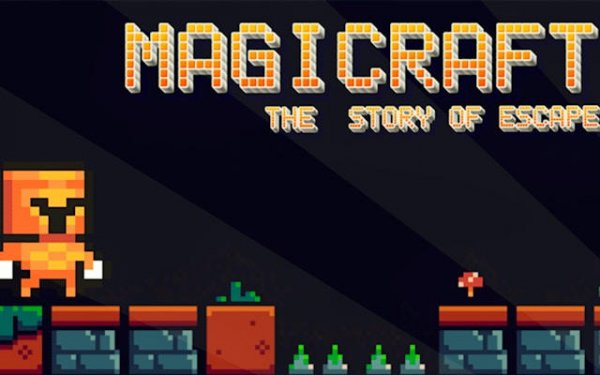
The pixel art style gives the keep a warm, lived-in feel, with detailed backgrounds and corridors that look distinct from one another. Visual cues are embedded in the environment, so the room itself hints at what the puzzle expects. A gentle soundtrack supports this mood and keeps the pace unhurried, which suits a game where precision matters more than speed. The result is a castle that reads as a single connected place, not a stack of unrelated stages.
How the Difficulty Builds
New puzzle elements arrive gradually. Early rooms focus on basic interaction, letting you learn the controls and the logic of switches and plates before anything complicated appears. Later areas combine multiple mechanics, so solutions require planning several steps ahead. That steady ramp-up keeps the challenge engaging without tipping into frustration, and each solved puzzle gives a clear sense of accomplishment that encourages further exploration.
Controls and Who It Suits
Inputs are minimal: run, jump, and interact. Responsiveness and precision matter more than reaction time, and visual indicators mark interactive elements so you spend less time guessing. This makes Mystic Keep Puzzle Runner approachable for younger players or anyone new to puzzle platformers, while still offering enough depth for experienced players who want a relaxed challenge rather than a stressful one.





Comments
0 comments